
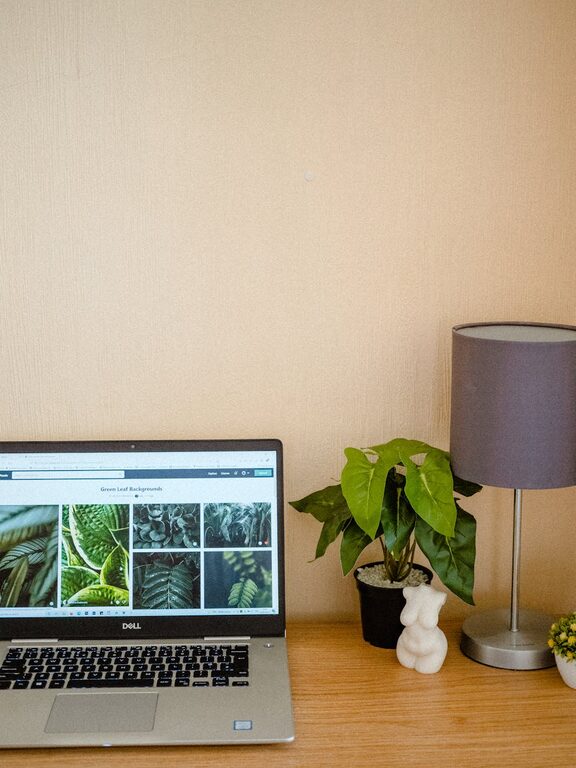
Creating a cosy and functional home office doesn’t have to be expensive or complicated. Whether you’re working from home full-time or need a dedicated space for occasional tasks, a well-planned workspace can boost your productivity and well-being. In this guide, we’ll explore how to design your home office on a budget using smart ideas, DIY projects, and affordable solutions that don’t compromise style or comfort.
Why a Dedicated Home Office Matters
Before diving into design, it helps to understand the benefits of having a proper home office. A dedicated workspace:
– Helps separate work life from home life
– Encourages focus and reduces distractions
– Supports better posture and organisation
– Creates a sense of professionalism and routine
Even a small corner can become an effective office with the right planning.
Step 1: Choose the Best Spot in Your Home
First, find a location that suits your work style and space availability.
Considerations for your workspace location:
– Natural light: Sit near a window if possible; natural light brightens the room and lifts mood.
– Quiet: Choose a space away from noisy areas or family traffic to keep interruptions minimal.
– Space: Ensure there’s enough room for your desk, chair, and any storage needs.
– Power outlets: Having easy access to sockets makes setting up electronics simpler.
If space is limited, consider a corner nook, an unused dining area, or part of a bedroom.
Step 2: Prioritise Comfortable and Practical Furniture
Purchasing new furniture can be costly, but there are ways to keep it affordable:
Essential pieces for your home office:
– Desk: Look for small or compact desks, which are often cheaper. Alternatively, use a sturdy table or repurpose an old piece of furniture.
– Chair: Invest in a comfortable chair with good support, even if it’s second-hand. Your back will thank you.
– Storage Solutions: Use shelves, baskets, or filing cabinets to keep clutter under control.
Budget tips:
– Check local thrift shops, clearance sales, or online marketplaces like eBay and Facebook Marketplace.
– Repurpose furniture you already own, such as using a dining chair with a cushion for comfort.
– Consider DIY options like floating shelves or stackable boxes for storage.
Step 3: Maximise Lighting to Reduce Eye Strain
Proper lighting is essential for comfort and productivity.
Lighting ideas on a budget:
– Use a desk lamp with adjustable brightness to reduce glare and shadows.
– Position your desk near a window for natural light during the day.
– Swap in daylight or soft-white LED bulbs for a warmer, more natural feel.
– Avoid harsh overhead lights; instead, add warm lamps for cosiness.
Good lighting not only helps you see better but also improves your mood.
Step 4: Add Personal Touches to Make It Cosy
A cosy office is inviting and encourages you to spend time there.
Small, budget-friendly additions:
– Soft textiles: Add a cushion or throw blanket to your chair for comfort and colour.
– Plants: Small potted plants or succulents improve air quality and brighten your space.
– Wall art: Create your own motivational prints or use inexpensive prints from charity shops.
– Desk organisers: Use jars, trays or boxes to keep stationery tidy and add style.
These simple touches can make your workspace feel like your own.
Step 5: Keep Your Space Organised and Functional
Clutter can hinder productivity. Keep your office neat by organising regularly.
Organisational tips:
– Use cable clips or ties to manage wires and chargers.
– Store papers in labelled folders or boxes.
– Clear your desk of non-essential items daily.
– Use vertical space with wall organisers or pegboards for tools and notes.
A tidy office feels less stressful and helps you focus on work.
Step 6: Use Technology and Accessories Wisely
Technology can improve efficiency—but you don’t need the latest gadgets.
Affordable tech ideas:
– Use wireless keyboards and mice for flexibility.
– Choose budget-friendly monitors for better screen space if needed.
– Utilise free software for organisation like Google Calendar or Trello.
– Consider noise-cancelling headphones to minimise distractions.
Evaluate what you truly need and avoid unnecessary purchases.
Step 7: Maintain Your Workspace
Regularly cleaning and updating your office keeps it inviting.
– Dust and wipe surfaces weekly.
– Refresh textiles or reorganise storage quarterly.
– Review technology and furniture needs periodically.
Maintaining your space ensures it remains functional and enjoyable.
—
Final Thoughts
Designing a cosy and functional home office on a budget is completely achievable with thoughtful planning and creativity. Focus on comfort, organisation, and personal style to create a space that supports your work and wellbeing without breaking the bank. Remember – it’s not about expensive gadgets or grand designs, but how well the space fits your needs and inspires you.
Start small, make gradual improvements, and enjoy your new home office sanctuary!