
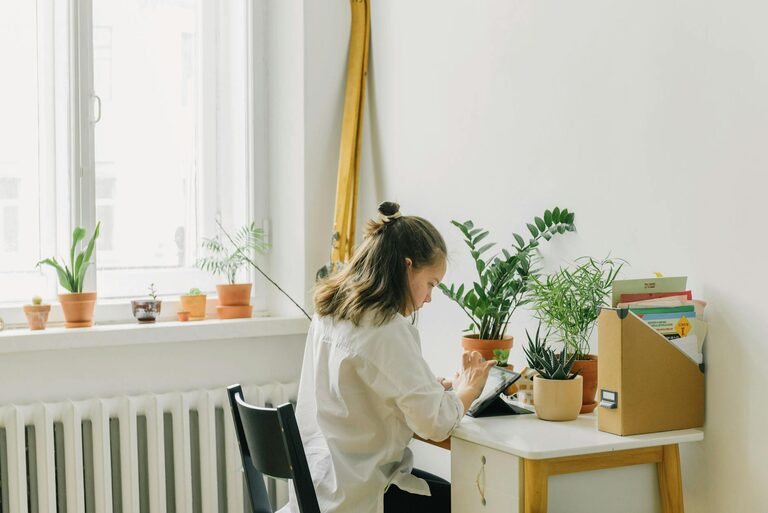
Creating a home office that truly suits your lifestyle can significantly boost your productivity and overall well-being. Whether you work remotely full-time or occasionally need a quiet spot to focus, your workspace plays a huge role in how motivated and efficient you feel. In this post, we’ll explore key tips to help you design and organise a home office that’s both practical and personalised to your needs.
Understanding Your Work Needs
Before you start setting up your home office, it’s important to understand what your work requires. Are you attending frequent video calls, or mostly reading and writing? Do you need lots of desk space, or just a laptop setup? Identifying your daily tasks will guide you in choosing the right furniture, technology, and layout.
– Assess your work activities: Think about how you spend most of your work time.
– List essential equipment: Include items like monitors, printers, or storage boxes.
– Consider your working hours: Morning sunlight or quiet evenings could influence your space choice.
Choosing the Right Location
Selecting a suitable area in your home for your office is crucial. Ideally, it should be somewhere quiet, with enough room for your setup and free of distractions.
– Use a separate room if possible: This helps create a clear boundary between work and personal life.
– Opt for a spot with natural light: It reduces eye strain and lifts your mood.
– Minimise noise and interruptions: If separate space isn’t an option, consider room dividers or headphones.
Investing in Ergonomic Furniture
Comfort is key to staying productive. Ergonomic furniture supports good posture and reduces the risk of strain or pain after long working hours.
– Choose an adjustable chair with lumbar support: This will keep your back comfortable.
– Select a desk at the right height: Your elbows should form roughly a 90-degree angle when typing.
– Consider a sit-stand desk: Alternating between sitting and standing can boost energy levels.
Maximising Organisation and Storage
Clutter can be distracting. Keeping your desk and office area organised helps maintain focus and saves time looking for things.
– Use drawers or shelves for storage: Store away papers and supplies neatly.
– Employ cable management solutions: Avoid messy cords with clips or under-desk trays.
– Create a filing system: Whether paper or digital, have a method to sort documents regularly.
Personalising Your Workspace
A home office should feel inviting and reflect your style to maintain motivation.
– Add plants: Greenery improves air quality and adds a calming presence.
– Incorporate artwork or photos: Personal touches can inspire creativity.
– Choose colours wisely: Soft colours promote calm, while brighter accents can energise.
Lighting Matters
Ensuring your home office is well-lit reduces eye fatigue and keeps you alert.
– Make use of natural light: Position your desk near a window if possible.
– Include task lighting: A desk lamp provides focused light when needed.
– Avoid glare on screens: Adjust blinds or light sources to prevent reflections.
Embracing Technology for Efficiency
Being well-equipped with the right technology enhances your workflow.
– Reliable internet connection: Essential for video calls and cloud access.
– Quality peripherals: Invest in a good keyboard, mouse, and headset.
– Backup solutions: Protect your work with cloud storage or external drives.
Establishing Clear Boundaries
Working from home can blur the lines between work and life. Setting clear boundaries helps maintain balance.
– Set regular working hours: Stick to a schedule that suits your lifestyle.
– Communicate your work times: Inform family or housemates about your availability.
– Create a shutdown routine: Completely switch off work devices at the end of the day.
Taking Breaks and Moving Around
Regular breaks improve concentration and physical health.
– Use the Pomodoro technique: Work in focused intervals with short breaks.
– Stretch or walk around every hour: Keeps your body active and refreshed.
– Designate a relaxation spot: Have a comfortable chair or space to disconnect briefly.
Final Thoughts
Designing a productive home office tailored to your lifestyle doesn’t have to be complicated. By considering your work needs, investing in comfort, and maintaining organisation, you can create a space that not only helps you work efficiently but also feels pleasant to be in. Remember, the best home office is one that supports your daily routines and well-being.
Whether you have a small corner or an entire spare room, with these tips in mind, you can build a home workspace that inspires focus and creativity. Happy working!