
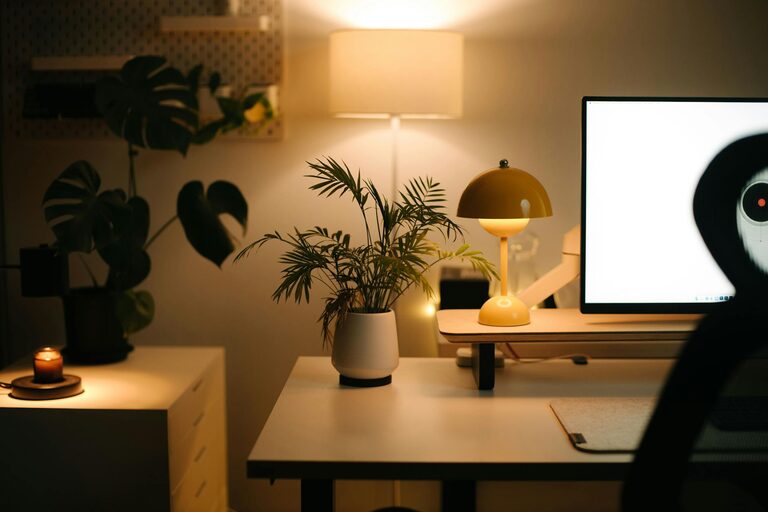
Working from home has become increasingly common, and having a well-designed home office can make all the difference. A comfortable and productive workspace not only improves your focus but also supports your well-being throughout the day. Whether you have a dedicated room or a small corner, here are some practical tips to help you create a home office that works for you.
1. Choose the Right Location
Selecting the ideal spot for your home office is the first step. Consider these points:
– Natural Light: Position your desk near a window to take advantage of daylight. Natural light can boost mood and reduce eye strain.
– Quiet Environment: Opt for a low-traffic area to minimise distractions.
– Space: Ensure you have enough room for your equipment, documents, and movement.
– Ventilation: Good airflow is important for comfort and concentration.
If space is limited, even a corner of your living room or bedroom can be arranged effectively with some planning.
2. Invest in a Comfortable Chair and Desk
Since you’ll be sitting for extended periods, comfort matters.
– Ergonomic Chair: Choose a chair with adjustable height, lumbar support, and comfortable cushioning.
– Desk Height: Your desk should allow your arms to rest at roughly 90 degrees when typing.
– Desk Size: Make sure your desk offers enough surface area for your computer, paperwork, and other essentials.
An ergonomic setup reduces the risk of back pain and improves posture.
3. Organise with Practical Storage Solutions
Clutter can hinder productivity and cause stress. Here’s how to keep your space tidy:
– Shelves and Filing Cabinets: Use vertical space to store books, files, and supplies.
– Desk Organisers: Small containers and trays can keep stationery and gadgets organised.
– Cable Management: Use clips or cable boxes to keep wires neat and avoid tangling.
A clean, clutter-free workspace makes it easier to focus on tasks.
4. Lighting – Beyond Natural Light
While natural daylight is ideal, it may not be sufficient during certain hours.
– Desk Lamps: A lamp with adjustable brightness helps reduce eye strain.
– Ambient Lighting: Soft overhead or wall lighting creates a comfortable atmosphere.
– Avoid Glare: Position screens to avoid reflections from windows or lights.
Good lighting contributes significantly to your energy and comfort.
5. Personalise Your Space
Adding personal touches makes your office inviting and motivates you to work.
– Plants: Small indoor plants can improve air quality and add a splash of greenery.
– Artwork or Photos: Visual elements that you enjoy can inspire creativity.
– Comfort Items: Cushions, a small rug, or a favourite mug can make the space feel homely.
Just be careful not to overdo it — keep the space balanced between personal and professional.
6. Minimise Distractions
Productivity requires focus, so try these ideas:
– Set Boundaries: If possible, communicate your working hours to family or housemates.
– Use Noise-Cancelling Headphones: These help block out background noise.
– Declutter Digital Space: Keep your desktop and browser tabs organised.
Creating boundaries helps maintain work-life balance and concentration.
7. Technology and Equipment Setup
Ensure your technology supports your work seamlessly:
– Reliable Internet: A fast and stable internet connection is essential.
– Quality Monitor and Keyboard: Consider ergonomics and comfort to reduce strain.
– Backup Storage: Use cloud services or external drives to safeguard your data.
Having equipment that suits your needs reduces frustration and downtime.
8. Maintain Good Habits
Finally, the environment is important, but so are the habits you maintain:
– Take Regular Breaks: Stand, stretch or walk around every hour to avoid stiffness.
– Stay Hydrated: Keep a bottle of water nearby.
– Keep Your Schedule: Use planners or apps to structure your day effectively.
Good habits support your workspace’s function and your overall wellbeing.
—
Creating a comfortable and productive home office space is achievable with the right planning and setup. By focusing on ergonomics, lighting, organisation, and personal touches, you can design a workspace that not only helps you work better but also enhances your home life. Take it one step at a time, and adapt your setup as your needs evolve. A happy workspace is a key ingredient to successful working from home.