
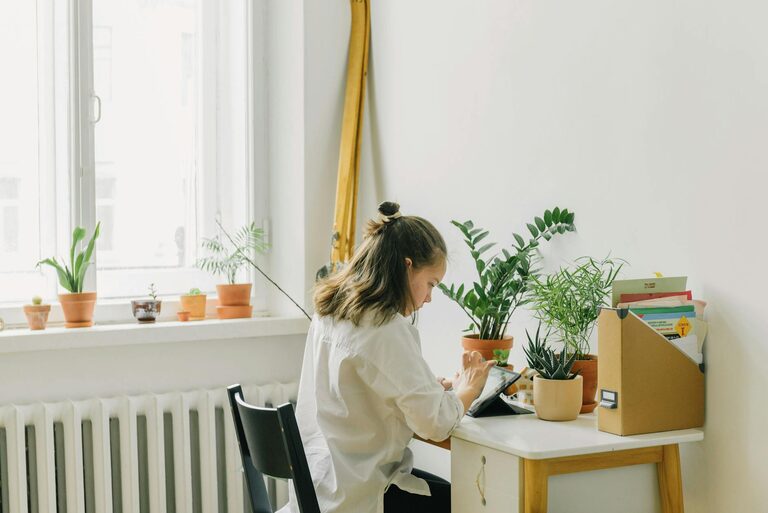
Working from home has become a common reality for many people. Creating a productive home office environment is essential to maintain motivation, focus, and balance. This guide shares practical tips to help you design a workspace that supports your best work while feeling comfortable and inviting.
Choose Your Ideal Location
Finding the right spot in your home for a workspace is the first step. Ideally, select a quiet area with minimal distractions where you can concentrate.
– Natural light: Position your desk near a window to benefit from natural daylight. This can improve mood and reduce eye strain.
– Separation: If possible, choose a space away from busy areas like the kitchen or living room to limit interruptions.
– Space availability: Make sure you have enough room for your desk, chair, and any necessary equipment or storage.
Invest in Comfortable and Supportive Furniture
Comfort is key when you spend long hours working. Proper furniture helps prevent discomfort and improves posture.
– Ergonomic chair: Choose a chair with good lumbar support and adjustable height to keep your back healthy.
– Desk: Select a desk that fits your space and allows you to work without crowding. Consider standing desks if you want to alternate between sitting and standing.
– Monitor height: Use a stand or adjustable arm to position your screen at eye level to avoid neck strain.
Organise Your Workspace Efficiently
An organised workspace can reduce stress and improve workflow.
– Declutter regularly: Remove unnecessary items from your desk to keep the area tidy.
– Storage solutions: Use shelves, drawers, or organisers to store documents and supplies neatly.
– Cable management: Keep cords and cables organised with clips or ties for a cleaner look and fewer distractions.
Optimise Lighting
Good lighting reduces eye strain and helps maintain alertness.
– Balance natural and artificial light: Use a mix of daylight and desk lamps to illuminate your workspace without glare.
– Task lighting: A focused desk lamp can help with detailed work, especially in the evenings.
– Avoid screen glare: Position your monitor to avoid reflections from windows or lights.
Minimise Distractions
Maintaining focus at home can be challenging. Use these strategies to create a distraction-free environment.
– Set boundaries: Communicate your working hours to family or housemates to reduce interruptions.
– Noise control: Use noise-cancelling headphones or background music if ambient sounds are distracting.
– Limit smartphone use: Keep your phone on silent or in another room during work periods.
Personalise Your Space
Adding personal touches can make your workspace more enjoyable without compromising professionalism.
– Plants: Indoor plants improve air quality and create a calming atmosphere.
– Artwork or photos: Choose items that inspire or relax you.
– Colour: Incorporate colours you find motivating or soothing through decorations or accessories.
Establish a Routine
A consistent daily routine helps you separate work from home life and stay productive.
– Set regular hours: Start and finish work at consistent times to develop structure.
– Breaks: Schedule short breaks to stretch, move around, or refresh your mind.
– Daily goals: Make a to-do list or outline priorities to maintain focus throughout the day.
Use Technology Wisely
Reliable technology supports efficiency and communication.
– Stable internet connection: Ensure your internet is fast and reliable to avoid disruptions.
– Ergonomic accessories: Consider wireless keyboards, mice, and headsets for comfort.
– Backup and security: Regularly back up important files and use security software to protect data.
Take Care of Your Wellbeing
Your health affects your productivity, so pay attention to physical and mental wellbeing.
– Stay active: Incorporate stretches or short exercises during breaks.
– Hydration and nutrition: Keep water nearby and choose healthy snacks.
– Mental health: Practice mindfulness or relaxation techniques to manage stress.
—
By thoughtfully designing your home office environment, you create a space that fosters productivity and wellbeing. While every person’s ideal setup varies, these tips provide a solid foundation for working effectively from home. Experiment with different arrangements until you find what works best for you.